
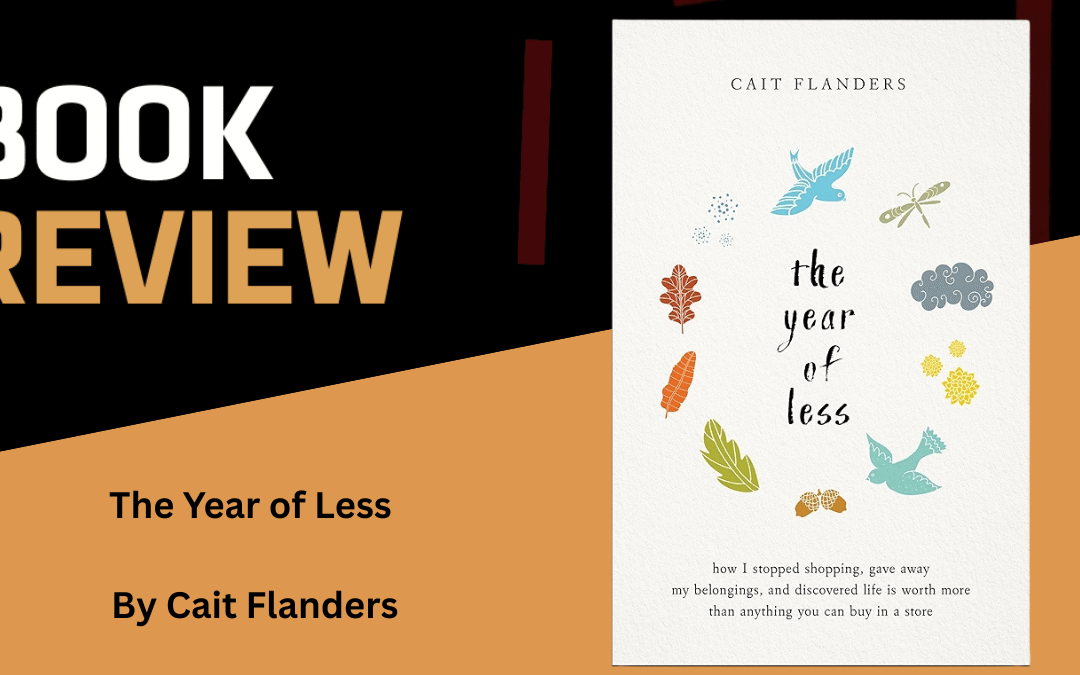
I picked up The Year of Less by Cait Flanders expecting a typical minimalism story. You know the kind. A closet purge. A clean white apartment. A neat little moral at the end.
That is not what this book is.
Yes, Flanders does a no-shopping year. Yes, she owns fewer things by the end. But the real story lives somewhere else. It lives in her habits. Her coping tools. Her sense of what she thinks she needs to feel OK.
That is why the book works.
My Contrarian Take
Many books about spending treat money like the main villain. This one treats spending like a symptom. That choice feels more honest. It also feels more helpful. Because most of us do not buy things only because we lack discipline. We buy things because we feel bored. Or stressed. Or lonely. Or tired. We buy things because buying gives us a quick hit of relief.
Flanders does not pretend she sat above all that. She writes like someone who has been inside the loop. Want. Buy. Regret. Repeat. As a result, the book feels less like advice and more like company.
Here is my contrarian take. I think the no-shopping year matters less than the way she pays attention to her inner life.
A lot of people will copy the surface plan. They will do a ban. They will create rules. They will track every dollar. That can work, of course. Rules can build a fence around your goals.
However, fences do not teach you why you keep wandering off the path.
Flanders keeps asking the harder questions. What emotion sits under the urge. What story she tells herself about success. What role alcohol played in her routines. What she avoided when she stayed busy with buying. Meanwhile, she does not glamorize the process. She admits when it feels uncomfortable. She shows how change takes time.
That level of self-honesty gives the book its strength.
Minimalism Can Become Its Own Kind of Consumerism
Another contrarian point. Minimalism can become its own kind of consumerism.
People toss out perfectly good items. Then they buy matching containers. Or they chase the perfect capsule wardrobe. Or they start shopping for a new identity called “Minimalist.”
Flanders avoids most of that trap. She does not sell minimalism as a lifestyle brand. She treats it like a tool. A tool for clarity. A tool for breaking patterns. Because of this, the book stays grounded. It feels practical instead of preachy.
The Quiet Message
Still, I do wish more readers would hear one quiet message in the book.
Less is not always better. Better is better.
Sometimes you need less clutter. Sometimes you need more support. Sometimes you need less noise. Sometimes you need more joy. The goal is not emptiness. The goal is alignment. Your spending should match your values. Your calendar should match your energy. Your habits should match the life you want to live.
The book points toward that idea, even when it does not say it outright.
Money Talk Without Shame
I also appreciated how she writes about money without turning it into shame. She talks about debt and budgets with a steady tone. She does not act like one mistake ruins you. At the same time, she does not soften the consequences. She respects the reader enough to stay clear.
That matters, especially now. Many people live with tight margins. Food costs more. Housing costs more. Life costs more. A book about spending needs to respect real constraints. Flanders does that by focusing on choices you can control. Awareness. Planning. Patience.
What This Book Will Not Do
- It will not hand you a magic system.
- It will not turn you into a perfectly calm person who never wants anything.
- It will not remove every temptation from your life.
Instead, it offers something better. It shows you how to notice your own patterns. It shows you how to pause. That pause creates space. And space gives you options.
You can choose a walk instead of a purchase. You can call a friend instead of browsing. You can cook at home instead of spending to soothe yourself. Those choices sound small. However, small choices repeat. Then they shape your identity.
Progress Is Not a Straight Line
One more thing I liked. The book does not treat progress like a straight line.
Flanders shares setbacks. She shares cravings. She shares the messy parts of change. That honesty makes the story believable. It also makes it encouraging. If she can keep going through discomfort, then you can too.
Who Should Read It?
- Read it if you feel stuck in a spending loop.
- Read it if you crave a simpler life but hate rigid self-help vibes.
- Read it if you want to rebuild trust with yourself.
- Also read it if you already live simply — because it might remind you what simplicity is really for.
Who might not love it? If you want a strict step-by-step plan, you may want a more tactical book. Flanders shares tools, but she leans toward reflection. That is the point.
My final verdict stays simple.
This book is not about having less stuff.
It is about having more agency.
That is the kind of personal finance story I trust. It does not chase perfection. It builds awareness. It invites you to choose your life on purpose.