
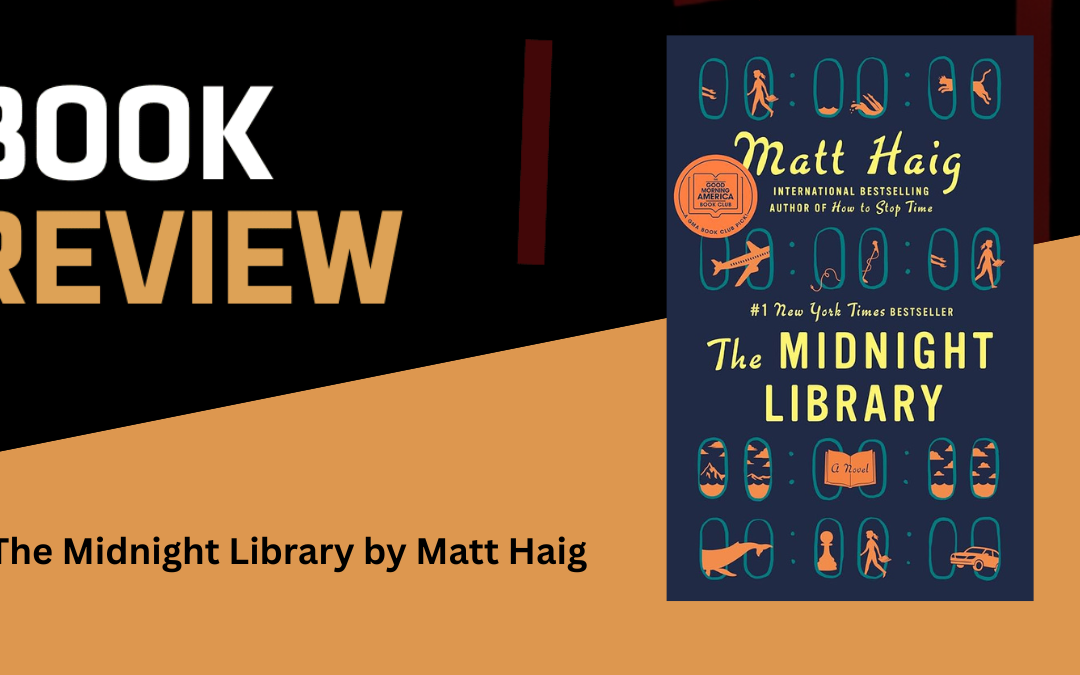
The Midnight Library by Matt Haig is often described as a novel about regret. I see it a little differently. To me, it is a book about pressure. It is about the pressure to live the perfect life, make the perfect choice, and become the most impressive version of yourself. That is what gives this novel its emotional weight. It feels personal because so many people quietly carry that same pressure every day.
The story follows Nora Seed, a woman who finds herself in a mysterious library between life and death. In this library, every book offers a different version of her life. Each one shows what might have happened if she had made a different decision. It is a smart premise, but what makes the book work is not the fantasy. It is the honesty behind it. Matt Haig understands how easy it is to believe that your best life must exist somewhere else.
That is where this novel stands out. Many books about self reflection try to push the idea that everything happens for a reason. The Midnight Library takes a more useful path. It suggests that every life comes with tradeoffs. There is no perfect road. There is no flawless version of yourself waiting on the other side of one better decision. That is a refreshing message. It also feels more comforting because it is rooted in reality.
I found that idea especially strong because modern life encourages constant comparison. People compare careers, relationships, routines, and even personal growth. We are told to optimize everything. If we are unhappy, we assume we must have chosen wrong. Haig pushes back on that mindset. He reminds us that even the lives we envy come with struggles we cannot see. In that sense, this book pairs well with reflections on self acceptance found in The Gifts of Imperfection and the emotional honesty explored in Daring Greatly.
Nora is a compelling character because she feels familiar. She is thoughtful, intelligent, and worn down by disappointment. More importantly, she is trapped by the belief that her life would be better if she had simply chosen differently. That feeling is common. Many people imagine alternate versions of their life and assume those versions are cleaner, brighter, and more successful. This novel challenges that fantasy in a gentle way. It does not shame Nora for her regrets. Instead, it shows her that imagined lives are still human lives. They are still messy. They still ask something from you.
Haig keeps the writing clear and direct. Some readers may want more complexity in the prose, but I think the simplicity works in the book’s favor. Big ideas do not always need dense language. In fact, the plain style makes the story more accessible and emotionally immediate. The message lands because the writing does not get in the way. That same strength appears in books that value clarity and focus, such as The Power of Now and Essentialism.
The pacing also deserves credit. Each new life gives the story fresh energy, so the structure never feels flat. At the same time, Nora’s emotional journey remains the heart of the book. Haig balances concept and feeling well. That is not easy to do. A novel with this kind of setup can become repetitive, but this one stays engaging because each life reveals something new about regret, identity, and what it means to be present.
What stayed with me most was the book’s quiet refusal to glorify unlimited potential. That may sound strange at first. We often praise potential as if it is always a gift. But potential can also become a burden. It can make people feel as though they are constantly falling short of all the lives they could have lived. The Midnight Library offers a better perspective. It says that meaning does not come from becoming everything. Meaning comes from noticing what is already here.
That is why I found the novel hopeful. Not because it promises perfect second chances, but because it questions the idea that we need them. It invites readers to stop measuring their real life against imaginary ones. It asks a softer question instead. What if this life, with all its limits and loose ends, still holds value? That is a powerful shift. It also connects nicely with the emotional healing found in Loving What Is and the grounded mindset discussed in 10% Happier.
In the end, The Midnight Library succeeds because it speaks to a real fear in a graceful way. It understands how people get trapped by regret, but it does not stay there. It opens the door to a kinder way of thinking. Matt Haig gives readers a story that is easy to follow, emotionally resonant, and rich with insight. I would recommend it to anyone who has ever looked back at their life and wondered about the path not taken. This book does not erase that question. It simply makes it easier to live with.
